
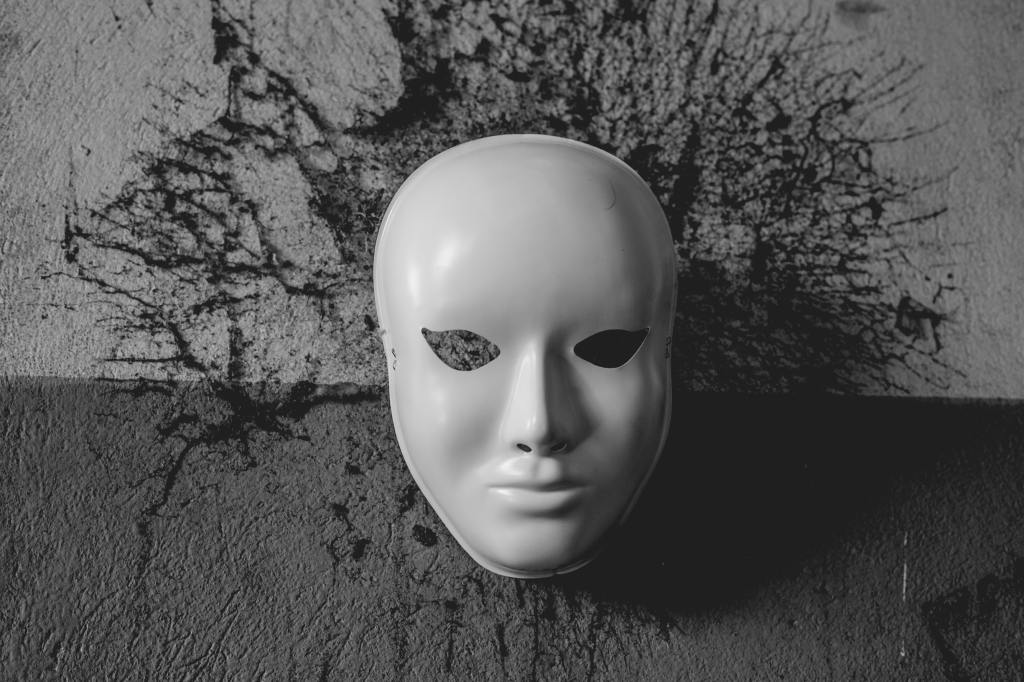
Have you ever felt like an imposter? You might be aware of the game “among us” which was very popular during the covid-19 pandemic. This game has an imposter role, which refers to a fraud who takes up a false identity and deceives other players by intermixing with them.
Just like the imposters in among us, sometimes, we become “imposters” in our own life. Imposter syndrome refers to doubting our skills and achievements despite having high results. It involves feeling as if we are undeserving of praises and awards that we receive. There is a constant fear of being exposed as a “fraud”. People usually have low self esteem and undermine the worth of their success. There is a feeling of inadequacy despite success. They believe their achievement is purely due to good luck or other’s role.
For eg: An actor receiving the highest award may feel that she doesn’t deserve it and may feel guilty for having put on a “fake mask”. She might feel others are better than her and deserve it more than her. She fears that she is going to be exposed soon for being a “fraud” and people are going to realise that she doesn’t deserve it.
This constant anxiety of being inadequate makes them resistant to enjoying their success. They have very high expectations from themselves which are almost impossible to achieve. This occurs as they believe their best isn’t the best, their best isn’t enough.
There are a few types of imposter syndrome such as perfectionist, superperson, soloist, expert and natural genius. Perfectionists cannot rest comfortably unless and until they do not perform perfectly. If they fail in doing so, they begin to self doubt and think of themselves as not being as good as others. Superperson, as its name suggests, wants to reach the highest level possible. He/she wishes to achieve the highest achievements and become the best but when it doesn’t happen, they feel like an imposter. Soloists are the ones who wish to achieve things on their own and they feel like an imposter if they can’t do so on their own. They feel like a phoney if they ask for help to reach their goal as they feel they lack capabilities to do it on their own. Experts are the ones who feel that they are frauds because they don’t know each and everything that is to be known about a topic. Natural geniuses think of themselves as imposters if they do not get something done at once. They begin to feel like a fraud if they can’t get it right at once or take a very long time to master it.
How do you overcome it?
Whenever such thoughts come to your mind, take a breath and try to calm down. Figure out the reason or situation which led to these thoughts surfacing in your mind. Accepting yourself and your achievements, making yourself realise that you deserve all of this and reassuring yourself that it is okay to make mistakes can help reduce imposter syndrome. Believing in yourself boosts self confidence and self esteem. Reaching out to those who can give you good feedback and positivity can help overcome this syndrome. Accept your success as a result of your hardwork instead of pure luck.
All of us turn into imposters at some point of time. It is totally normal but we should ensure that it does not get the best of us!
Photo by Edilson Borges on Unsplash
 Psyche Trail
Leave a comment