
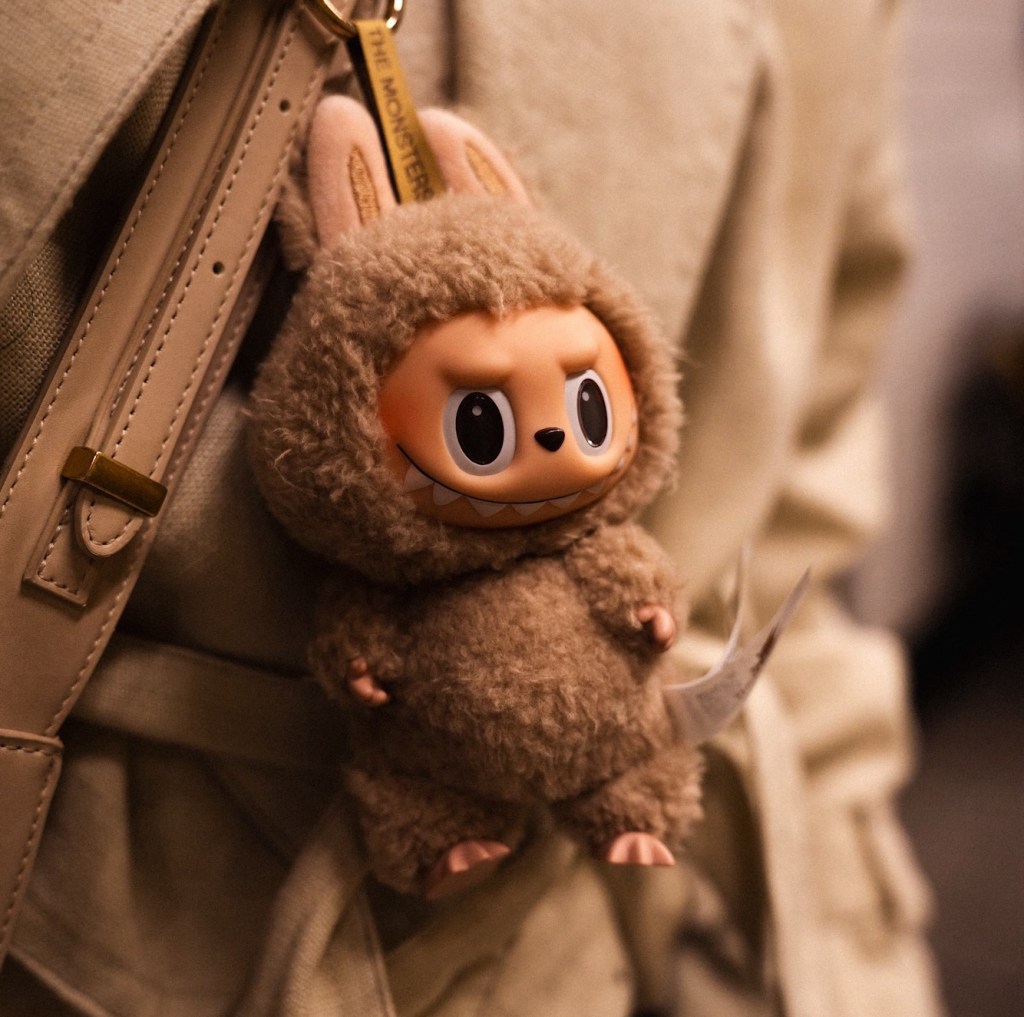
Recently, there has been a rise in the popularity of a plushie named Labubu. This unique-looking doll has created immense discussions across various social media platforms. Everywhere I go, I see people talking about it—some disliking it for its unique appearance, while others absolutely adoring it. What’s even more surprising is seeing Labubu dolls sold at auctions for over $100,000. How is it that something so simple became so trendy and expensive?
I personally didn’t like Labubu when I first saw it. But over time, constantly seeing it pop up everywhere, online and in conversations, made me used to it. I even started disliking it less. This shift could be attributed to the mere exposure effect—a phenomenon where repeated exposure to something increases our preference for it, even if we didn’t like it initially.
A similar trend was the Harry Potter Kinder Joys. They were so affordable and popular, that they were almost always out of stock. Videos of people buying them in bulk were spreading all over social media. While it’s obvious that many Harry Potter fans were drawn to them due to love for the series, others—like some of my friends who weren’t even fans—also bought multiple Kinder Joys simply because they were trendy. They were excited about the possibility of getting rare finds, despite not having watched or read Harry Potter, just because everyone else was doing it.
So why do people take part in trends?
It is because of our innate need as social beings to feel included and accepted by the people around us. Following trends becomes an easy way to feel that we belong. When everyone is talking about or doing something, we feel a subtle pressure or even excitement to join in. This is pushed forth by the bandwagon effect, where the popularity of something gives it the illusion of being the right choice.
Another factor is FOMO or the fear of missing out. When people see limited-edition products or trends, they feel anxious that they might lose their chance to be part of the moment. This urgency pushes people to buy things or take part in experiences not necessarily because they want them, but because they don’t want to feel left out, because they want to be able to relate to the masses and not be labelled as “untrendy” or “uncool”.
Social media also plays a massive role in multiplying these effects. Content creators often use the hype around such trending products or challenges to increase their reach and engagement. In doing so, they end up reinforcing the trend, making it even more popular. And your algorithm completes the magic by showing you what’s already buzzing, ending up creating a cycle that’s hard to break.
Sometimes, it’s not just about fitting in. There are confounding factors and motivations behind following a trend too. It could be due to the thrill of collecting rare items or the desire to complete a collection, i.e. fulfilling our psychological need for accomplishment, or even curiosity about why everyone else seems so obsessed. Therefore, trends may not just be about the objects themselves, but instead about the complex and powerful ways our minds respond to them.


Leave a Reply